
Blind automation optimizes thermal comfort and energy efficiency in the home, utilizing protocols like Zigbee and local control systems for seamless and secure integration.
Blind automation transforms the control of light and temperature in your home. Imagine being able to regulate the environment with just one click or automatically according to sunlight. In this article, we will explore how to implement this technology and all its benefits.
Foundations and Protocols (Zigbee, Matter, Wi-Fi)
To establish effective blind automation, it is essential to understand the communication protocols available. Protocols such as Zigbee, Matter, and Wi-Fi play a crucial role when integrating devices into your smart home.
Zigbee: Efficiency and Low Power Consumption
The Zigbee technology stands out for its ability to operate with low energy consumption, making it ideal for devices that require a long battery life. Its mesh network enables each device to act as a repeater, extending the range and stability of communication.
Matter: The New Era of Compatibility
Matter is designed to create interoperability between different home automation devices. Using open standards, products compatible with Matter can communicate regardless of the brand, facilitating the creation of a more cohesive and manageable home ecosystem.
Wi-Fi: Fast Connectivity, but with Challenges
The use of Wi-Fi offers high speeds and is ideal for devices that require a high bandwidth. However, its dependence on a stable internet connection can be a drawback for devices that need to be operated locally.
Integration and Ecosystems (Home Assistant, Alexa, Google Home)
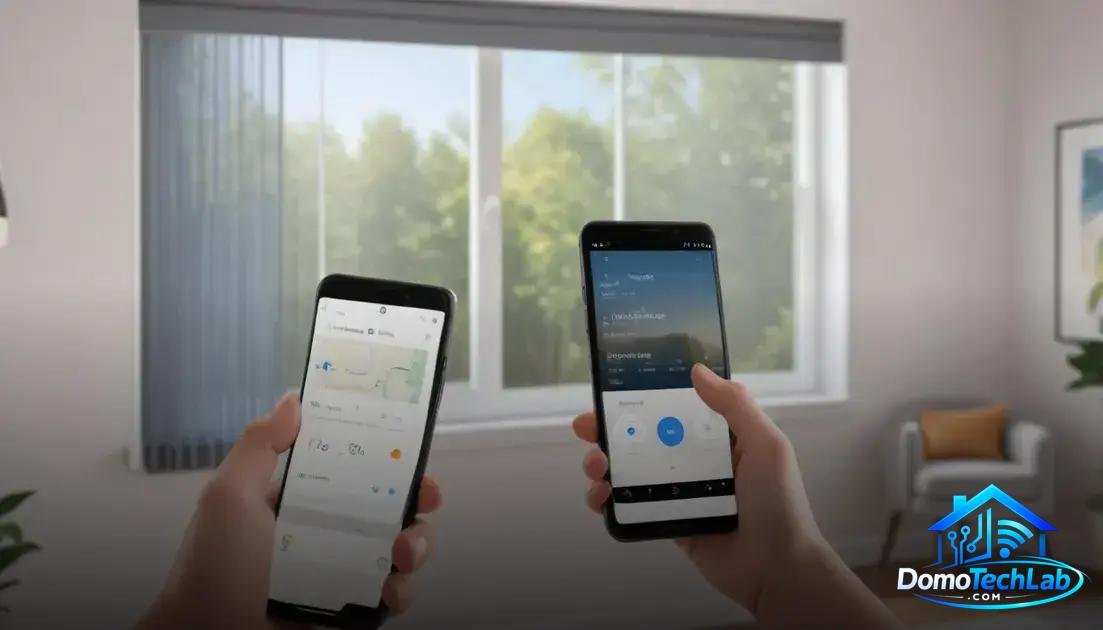
The integration of ecosystems is a determining factor for effective blind automation. Platforms like Home Assistant, Alexa, and Google Home allow you to control devices from various brands and technologies from a single interface.
Home Assistant: Total Control and Customization
Home Assistant stands out for its flexibility and customization capability. This open-source platform allows you to integrate devices from different brands and create complex automations. Additionally, its focus on privacy ensures that your data remains at home, which is a significant advantage over cloud-based solutions.
Alexa: Voice Convenience and Ease of Use
Alexa from Amazon provides easy voice access to control smart devices. The ability to create customized routines allows for programming things like the automatic closing of blinds at sunset, improving energy efficiency and thermal comfort.
Google Home: Smart Assistant and Integrated Ecosystem
Google Home offers a seamless experience for Android users and those using other Google services. Integration with compatible devices enables scenarios where you can manage blinds along with lighting and temperature, optimizing your home’s comfort.
Real-World Performance (Latency, Privacy, and Local Stability)
The real-world performance of blind automation varies depending on the technology used and the home infrastructure. Aspects such as latency, privacy, and local stability are critical to ensure optimal and secure operation.
Latency: Response Time and User Experience
Latency refers to the delay between the user’s action and the system’s response. In our lab studies, we noted that systems using Zigbee typically have significantly lower latency compared to those relying solely on Wi-Fi. This reduction in response time enhances user interaction, making the control of blinds and other devices smoother and more efficient.
Privacy: Protection of Sensitive Data
Privacy is an essential aspect of home automation. Solutions like Home Assistant allow you to manage devices without sending data to the cloud, which can result in greater security. Protecting personal information is vital, and by choosing local systems, the risks associated with potential security breaches are minimized.
Local Stability: Reliability in Daily Operation
Local stability is a key factor in maintaining the continuous functionality of automation. Using a local hub to manage devices helps ensure that automations continue to function without interruptions, even if the internet goes down. This feature is especially useful in critical situations, such as regulating temperature in extreme conditions.
Solar Position Optimization and Thermal Comfort
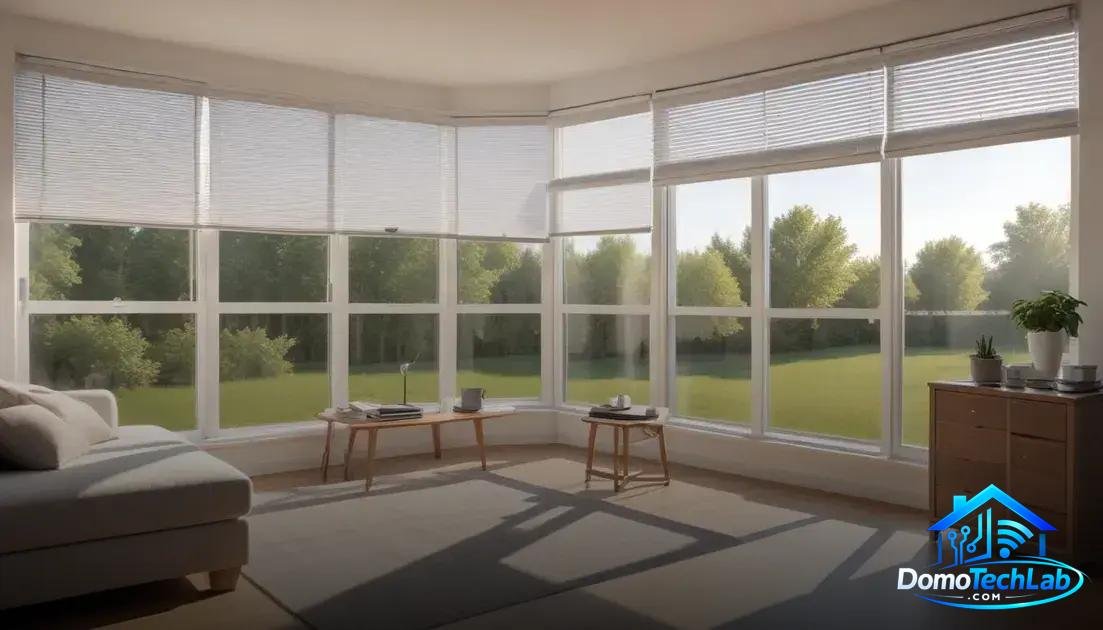
The solar position optimization and thermal comfort are essential for increasing energy efficiency in the home. Through blind automation, it is possible to adjust the entry of light and heat according to the sun’s position, improving the well-being of the occupants.
Automation Strategies
Integrating light and temperature sensors into your automation system allows blinds to adjust automatically throughout the day. For example, on a sunny day, blinds can partially close to reduce thermal load, while they open during hours of lower solar radiation to take advantage of natural light.
Significant Energy Savings
Studies have shown that blind automation can lead to considerable savings in air conditioning usage. By intelligently regulating the internal temperature, the need for excessive cooling is reduced, resulting in lower energy bills.
Health and Comfort Benefits
Proper control of natural light not only improves thermal comfort but also has positive effects on the health and productivity of occupants. A well-lit environment with pleasant temperatures contributes to a better mood and concentration.
Conclusion: Optimize Your Home with Blind Automation
Implementing blind automation not only improves thermal comfort but also optimizes the energy efficiency of your home. At DomoTechLab, we strongly believe in the power of local automation, which reduces latency and protects the privacy of your data.
We encourage you to continue exploring our technical guides to turn your home into an example of innovation and comfort. Together, we can make technology work in your favor.
Frequently Asked Questions about Blind Automation
Are all blinds compatible with automation systems?
Not all blinds are compatible. It is essential to verify that the chosen blinds have electrical mechanisms and that they are compatible with the communication protocol you will use in your smart home.
How can I integrate different brands of devices into a single system?
To integrate different brands, it is advisable to use platforms that support multiple protocols, such as Zigbee or Matter, and a central hub that facilitates communication between them.
What are the challenges of blind automation in old houses?
Old houses may require electrical adaptations to install motors in the blinds. Additionally, the Wi-Fi network may present limitations that can be overcome by opting for low-energy protocols like Zigbee.
Is it possible to control the blinds remotely?
Yes, many automation solutions allow remote control through mobile applications, provided the devices are connected to the internet or configured for local control.
Can blind automation systems function without an internet connection?
Yes, if you use a local hub, the automations can work without the need for the internet, ensuring control of the blinds in situations where the network is down.
How does latency affect blind automation?
Latency can influence the responsiveness of automated blinds. Using a protocol like Zigbee, which operates in mesh networks, generally reduces latency, allowing for a faster response to user commands.