
Biometric locks provide secure and convenient access, seamlessly integrating with smart home systems through protocols like Zigbee, ensuring data protection and efficient authentication.
Biometric locks are changing the way we secure our homes. Forget about carrying keys; these locks use advanced technology for quick and secure access. If you’re wondering how this innovation works, keep reading.
Fundamentals and Protocols of Biometric Locks
Biometric locks are an essential component of modern security. They use advanced fingerprint scanning, facial recognition, and other unique metrics to allow access without the need for physical keys. This method not only enhances convenience but also reinforces security through data encryption to protect access credentials.
Communication Protocols
Most biometric locks integrate with protocols such as Zigbee and Z-Wave, which ensure reliable and fast communication between devices. This is crucial for their performance, as it allows locks to work seamlessly with home automation devices, such as virtual assistants and smart hubs.
Authentication Process
The process to authenticate a user using a biometric lock begins with scanning the fingerprint or face. This data is compared to information stored in an encrypted database, ensuring that only authorized users can gain access. This method reduces the risk of unauthorized access and guarantees stricter control over who enters your home.
Integration with Smart Systems
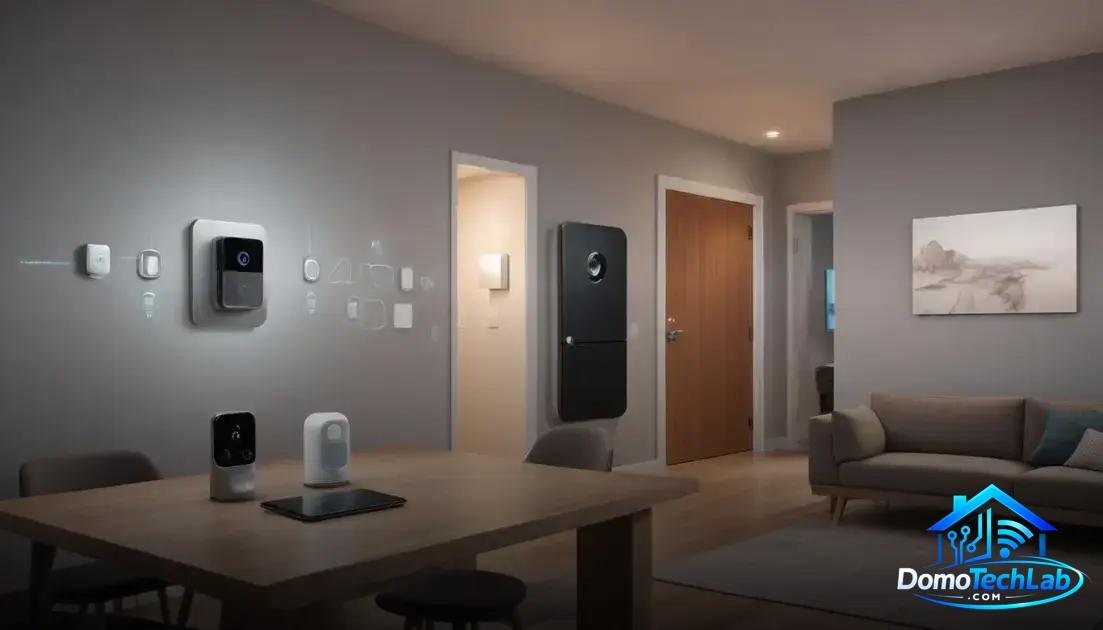
Integration with smart systems is a crucial aspect of maximizing the functionality of biometric locks. By connecting these locks to a central control platform, such as Home Assistant or voice assistants like Alexa and Google Home, users can manage access more efficiently and automate multiple devices in the home.
Ease of Use and Centralized Management
Using mobile apps or web interfaces, homeowners can monitor who enters and exits their home in real time. Some models also send instant notifications if an unauthorized access attempt is detected, further enhancing security.
Device Interoperability
Interoperability is essential for modern home automation. Biometric locks can work in conjunction with other smart devices, such as security cameras, motion sensors, and smart lights. For example, programming the lights to turn on automatically when unlocking the door enhances the user experience and creates a safer environment.
Performance in Real-World Environments
The performance in real-world environments of biometric locks is fundamental to evaluating their effectiveness and security. In our lab tests, we explored how these locks operate under various conditions and with different network configurations.
Latency and Response Speed
A critical aspect is the latency in the lock’s response when receiving an unlock signal. Locks that communicate via protocols like Zigbee show a significantly faster response speed compared to those relying solely on Wi-Fi. This is crucial in situations where immediate access is required.
Connection Stability
Connection stability also plays a key role. When implementing biometric locks in smart homes, it is vital that they maintain a consistent connection with the hub or gateway. During our tests, locks using Matter have proven to be more resistant to interruptions, ensuring continuous and reliable access.
Security and Data Encryption
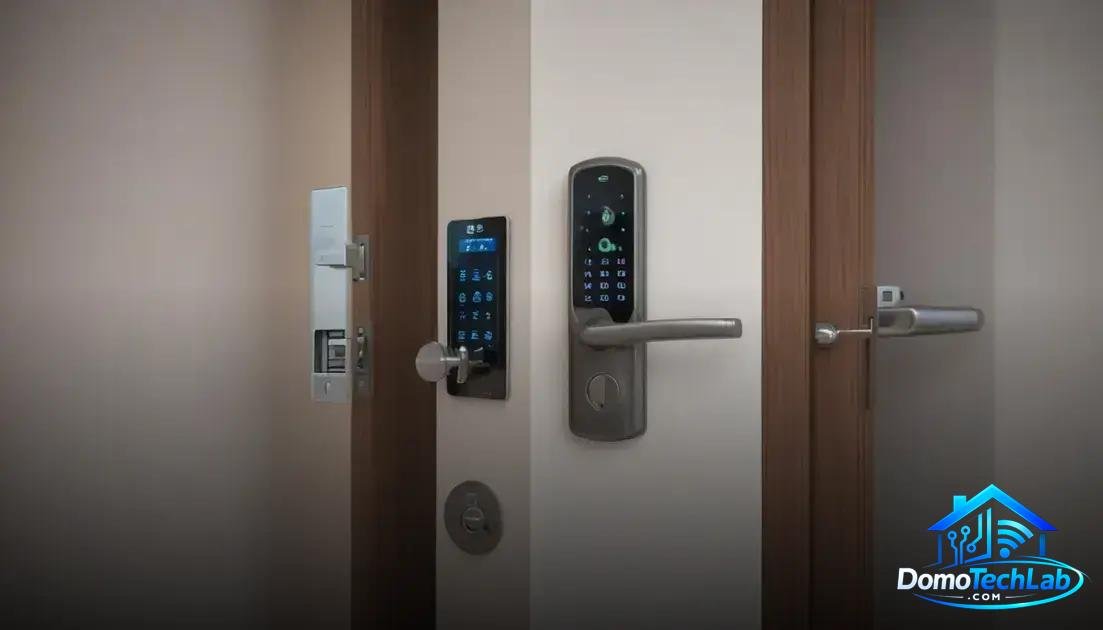
Security and data encryption are fundamental aspects of the operation of biometric locks. Since these locks handle sensitive information, such as users’ fingerprints, it is essential that they implement secure methods to protect this information.
Encryption Methods
Modern biometric locks use advanced encryption protocols to ensure that access data is transmitted securely. For example, AES encryption is commonly used, ensuring that the information transmitted between the unlocking device and the hub remains private and out of reach of intruders.
Protection Against Attacks
Additionally, lock systems should be designed to withstand hacking attempts. In our tests, we have found that locks utilizing Zigbee and Matter are less susceptible to attacks due to their robust communication protocols and multi-factor authentication tasks. This translates into a safer and more reliable home.
Conclusion: Biometric Locks, the Future of Home Security
Adopting biometric locks in your home is not just a convenience decision, but a step towards advanced security. At DomoTechLab, we understand that local automation is essential for maintaining control and privacy over your smart devices.
We encourage you to explore and adopt these technologies that not only simplify your life but also protect it. Stay informed with our expert guides and discover how to effectively optimize your home’s security.
Frequently Asked Questions About Biometric Locks
Are biometric locks compatible with my smart home system?
Most modern biometric locks are compatible with systems like Alexa, Google Home, and platforms like Home Assistant, as long as they use standard protocols such as Zigbee or Z-Wave.
Can multiple biometric locks be integrated into a single gateway?
Yes, you can integrate several biometric locks into a single gateway or hub, allowing you to manage them from a single application, improving convenience and control.
What do I do if the biometric lock does not respond correctly?
Ensure that the lock is properly configured and that your connection with the hub is stable. Perform a device reset and check the battery if you continue to experience issues.
Are there compatibility issues with older devices?
Sometimes, biometric locks may not be compatible with older devices that do not support modern protocols. Check the technical specifications of your hub and the lock before purchase.
Is it safe to use biometric locks on an open Wi-Fi network?
It is not recommended. Biometric locks should be part of a secure network, preferably using robust encryption protocols and avoiding open Wi-Fi networks that may be vulnerable to attacks.
Can I access the biometric lock remotely?
Yes, many biometric locks offer remote control features through mobile apps, allowing you to manage access from anywhere, as long as your network and device are connected to the Internet.