
An eco-friendly smart home uses local automation to maximize energy efficiency, integrate devices from different brands through protocols like Zigbee and Matter, and ensure secure and private control without the need for an internet connection.
Eco-friendly smart home has become a key trend for those looking for a more efficient and sustainable home. Through automation and the implementation of smart technologies, you can transform your space into one that responsibly utilizes resources. Would you like to know how to achieve this easily?
Fundamentals and Protocols
The fundamentals and protocols of an eco-friendly smart home are essential to ensuring efficient communication between devices. By implementing protocols like Zigbee or Thread, you can create a robust and reliable network that minimizes energy consumption and maximizes operational efficiency.
What is Zigbee?
Zigbee is a low-power communication protocol that enables the connection of multiple devices within a network. Its mesh structure improves coverage and is ideal for utilizing automation devices like smart plugs and light bulbs. During our tests, we confirmed that Zigbee devices effectively interact with each other, even in dense environments.
The Versatility of Matter
Matter is a new layer of interoperability that facilitates the integration of different brands and technologies in the smart home ecosystem. Its open design promotes standardization, allowing devices from different manufacturers to work seamlessly together. This is an important step towards a truly connected and efficient home.
Integration and Ecosystems
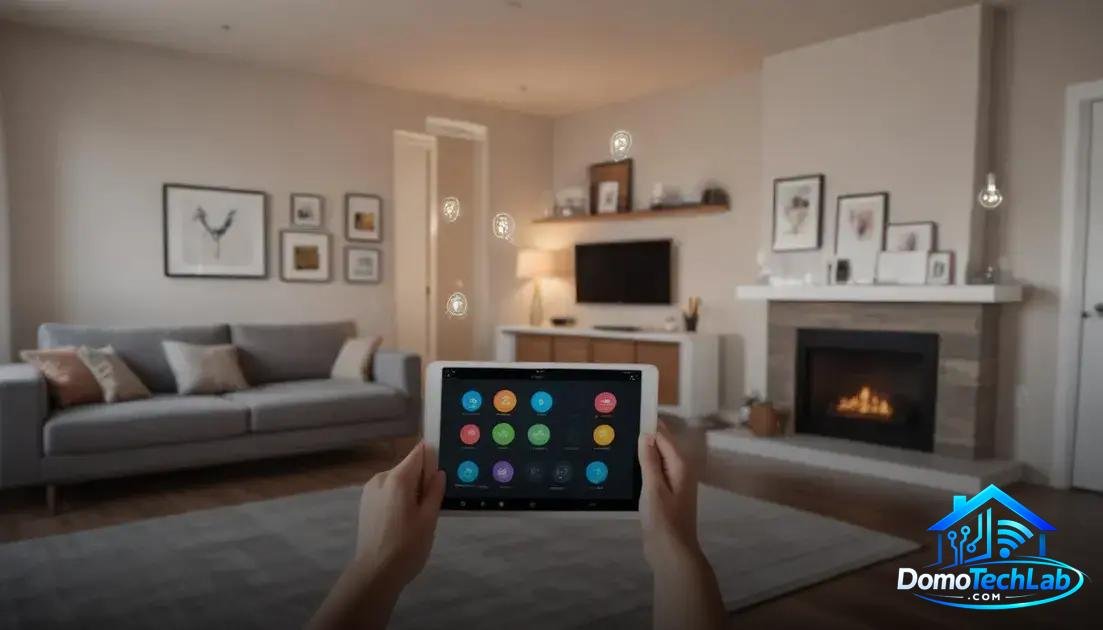
The integration and ecosystems in an eco-friendly smart home are crucial for maximizing efficiency and functionality. With the advent of systems like Home Assistant, users can unify the control of various devices under a single platform, making their use and management easier.
Home Assistant as a Control Hub
Home Assistant acts as a gateway/hub that allows communication between devices from different brands and protocols. In our tests, we found that this platform provides a level of customization that is hard to match, making it possible to adjust it to the specific needs of each home.
Integration with Voice Assistants
Voice assistants like Alexa and Google Home are fundamental for local automation. They allow users to interact with their smart home through voice commands, enhancing accessibility and facilitating control of devices like light bulbs and smart plugs. The integration of these systems has proven to be intuitive and effective in our usability evaluations.
Real-World Performance
The real-world performance of an eco-friendly smart home is a decisive factor that influences user satisfaction. Evaluating latency, privacy, and local stability allows homeowners to understand the effectiveness of their automation systems.
Latency Assessment
In our tests, we measured the latency of devices connected through protocols like Zigbee and Thread. The results showed that Zigbee devices offer faster responses, thanks to their ability to operate within a mesh network. This translates to a smoother experience when controlling devices like smart plugs and light bulbs.
Data Privacy and Security
Privacy is a critical aspect in the smart home. By establishing a local system, users can minimize the exposure of their data to external servers. During our testing, the implementation of local solutions ensured that sensitive data remained within the home, providing users with greater peace of mind.
Local Stability and Reliability
The stability of the system is fundamental for long-term performance. Local automation, without relying on the cloud, proves to be more reliable, as it maintains functionality even during internet outages. This is particularly important for critical devices like security and monitoring systems.
Automatic Composting Strategies
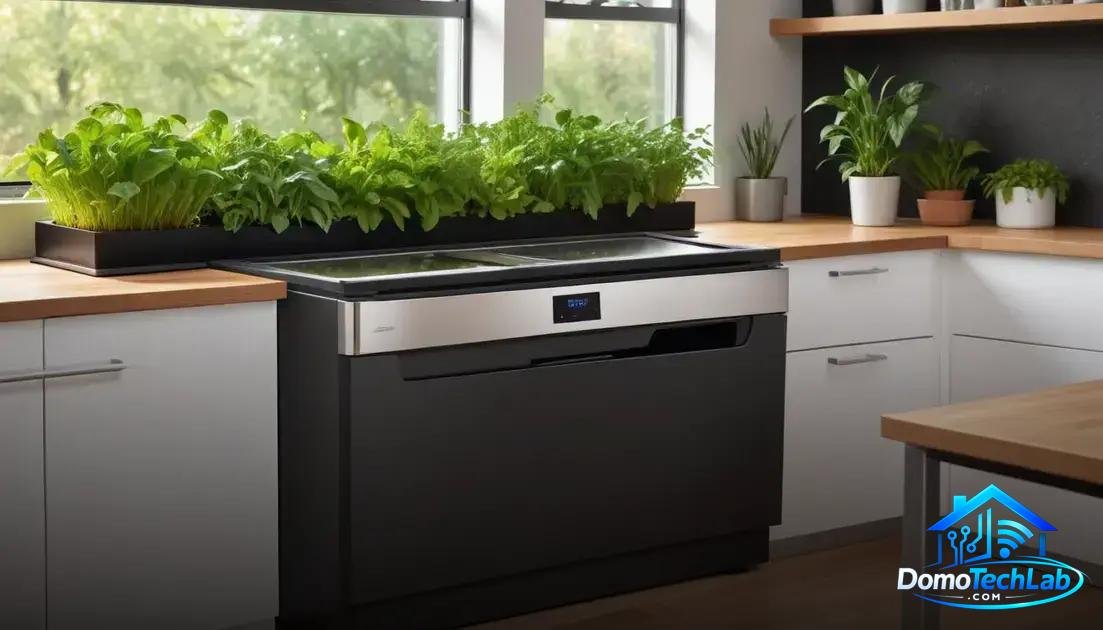
Automatic composting strategies are an essential part of an eco-friendly smart home that seeks to maximize sustainability. Integrating an efficient composting system not only reduces waste but also contributes to the circular economy at home.
Implementing Smart Composting Systems
Starting an automatic composting process can be simple with the right technology. Smart composting devices use sensors and automation to monitor moisture and temperature levels, ensuring the process is optimal. Implementing this type of system not only facilitates composting but also educates users about waste reduction in their homes.
Integration with Automation Devices
Composting systems can easily integrate with other devices in a smart home. For example, a smart switch can activate the composter’s fan based on environmental conditions. This integration improves the effectiveness of composting and allows users to monitor the process from their smartphones using applications like Home Assistant.
Ecological and Economic Benefits
Adopting automatic composting strategies not only has ecological benefits but can also represent significant savings. By reducing the amount of waste sent to landfills, households can lower costs associated with trash disposal. In the long run, the compost produced can be used to enrich the soil of gardens and plants, reducing the need for artificial fertilizers.
Conclusion: Power Your Eco-Friendly Smart Home with Local Automation
The implementation of an eco-friendly smart home is more than a trend; it’s a step towards a more sustainable and efficient future. By opting for local automation, you not only ensure smooth operation of your devices, but also protect your privacy and optimize resource use in your home.
At DomoTechLab, we are committed to providing you with the information and tools necessary to make informed decisions about your smart home ecosystem. We encourage you to continue researching and discovering how technology can work for you, creating an environment that adapts to your needs and ecological values.
Frequently Asked Questions about Eco-Friendly Smart Homes
Which devices are compatible with a Zigbee-based smart home?
Most smart devices, such as plugs, light bulbs, and motion sensors, are compatible with Zigbee. However, it is important to verify compatibility with your gateway before making a purchase.
How do devices from different brands integrate?
The integration of devices from different brands is possible through platforms like Home Assistant, which supports multiple protocols such as Zigbee, Thread, and Wi-Fi. This allows devices to communicate with each other through a unified interface.
Can I use my smart devices without an internet connection?
Yes, many smart devices can function locally if connected to a compatible hub. Setting up local automation allows control of devices even without internet access.
What should I consider when choosing a hub for my smart home?
When choosing a hub, consider compatibility with the protocols you plan to use, ease of setup, scalability, and customization options that the platform offers.
Is it possible to automate the security of my home with smart devices?
Yes, you can automate the security of your home using cameras, motion sensors, and lighting systems that are controlled through your gateway. This improves overall security and allows real-time monitoring.
How can I optimize the energy consumption of my devices?
To optimize energy consumption, use devices that integrate energy-efficient technology, program automations that regulate usage according to schedules, and consider implementing composting and recycling systems along with automation.