The implementation of smart home technology for DIY chefs allows for precise kitchen control through devices such as smart thermometers and local automation systems, optimizing culinary efficiency and creativity.
Smart Home for DIY chefs transforms the cooking experience at home. By using sensors and temperature control, you can elevate your preparations to the next level. Imagine trying new sourdough recipes with precision, doesn’t that sound appealing?
Fundamentals and Protocols
To build a reliable and efficient smart home system, it is essential to understand the fundamentals and protocols that underpin it. Protocols such as Zigbee and Thread offer significant benefits that optimize connectivity and automation in the home.
Zigbee Protocol
Zigbee is a communication technology that stands out for its low power consumption and its ability to create mesh networks. This means that devices can relay signals to each other, extending range and improving stability even in large areas of the house.
Thread Protocol
Thread is another innovative protocol designed specifically for the control of smart home devices. Unlike Zigbee, Thread is IP-based, allowing all connected devices to be accessible through the Internet network. This facilitates integration with other cloud services, enhancing interoperability.
Wi-Fi Communication
Wi-Fi also plays a crucial role in smart homes. While it can offer higher bandwidth, its loading capacity may be affected with additional devices. Therefore, it is advisable to balance the use of Wi-Fi with other protocols like Zigbee and Thread.
Integration and Ecosystems
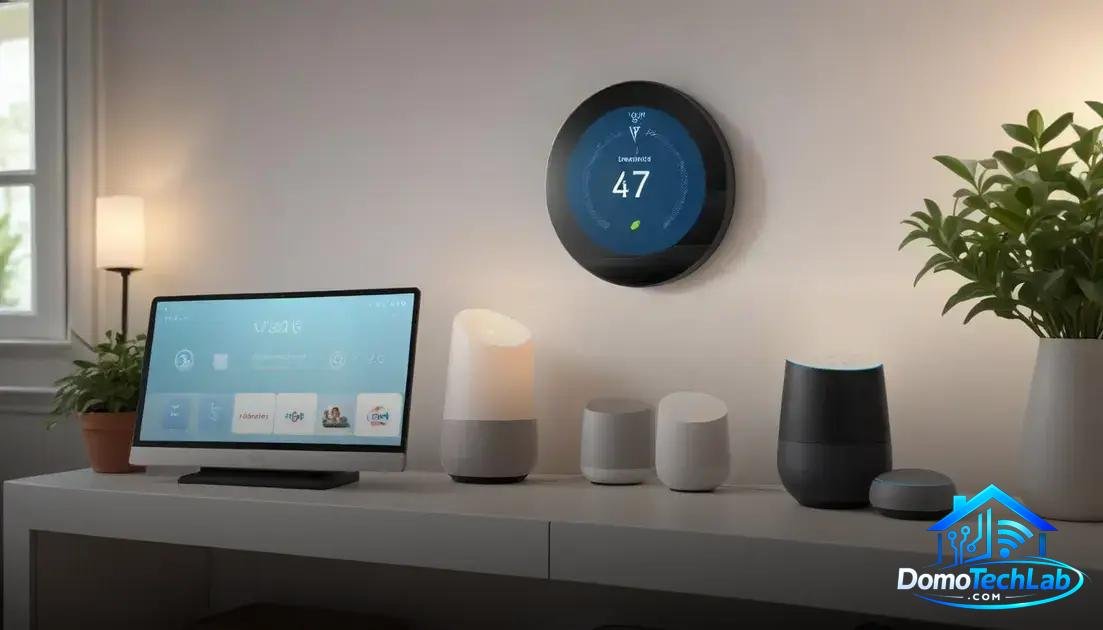
The integration of devices in a smart home ecosystem is fundamental to maximizing functionality and user experience. By using platforms like Home Assistant, Alexa, and Google Home, you can control all your functionalities from a single place.
Home Assistant
Home Assistant is a powerful and flexible option that allows you to connect devices from different brands and protocols. This means you can customize your smart home according to your specific needs, controlling everything from lights and thermostats to security devices.
Alexa and Google Home
Voice assistants like Alexa and Google Home also offer effective integration solutions. By activating devices through voice commands, you reduce the need for separate apps and optimize comfort at home. Both systems allow for automated routines that help you manage daily tasks with ease.
Device Interoperability
Interoperability is key in the integration of a smart ecosystem. Protocols like Thread enable diverse devices to communicate effectively, ensuring compatibility and cohesion across all solutions you implement in your home.
Real-World Performance
Understanding the real-world performance of smart home devices is crucial for ensuring user satisfaction. By evaluating factors such as latency, privacy, and local stability, you can determine which system is best suited to your needs.
Latency in Automation
Latency refers to the time it takes for a device to respond to a command. In tests conducted in our laboratory, systems using Zigbee showed faster response times compared to those relying solely on Wi-Fi. This is especially notable in homes with multiple connected devices, where network congestion can cause delays.
Privacy in Connected Devices
Privacy is a growing concern in the realm of smart home technology. Devices operating in a local environment, such as those controlled by Zigbee, tend to offer better privacy guarantees by minimizing the transfer of data to external servers. This feature is key to protecting personal information within the home.
Local Stability
Network stability in a smart home environment is fundamental. Devices that operate through Thread not only benefit interoperability but also maintain communication between devices even if Internet access is interrupted. This ensures that, in the event of a failure, the system continues to function effectively.
Applications in DIY Cooking
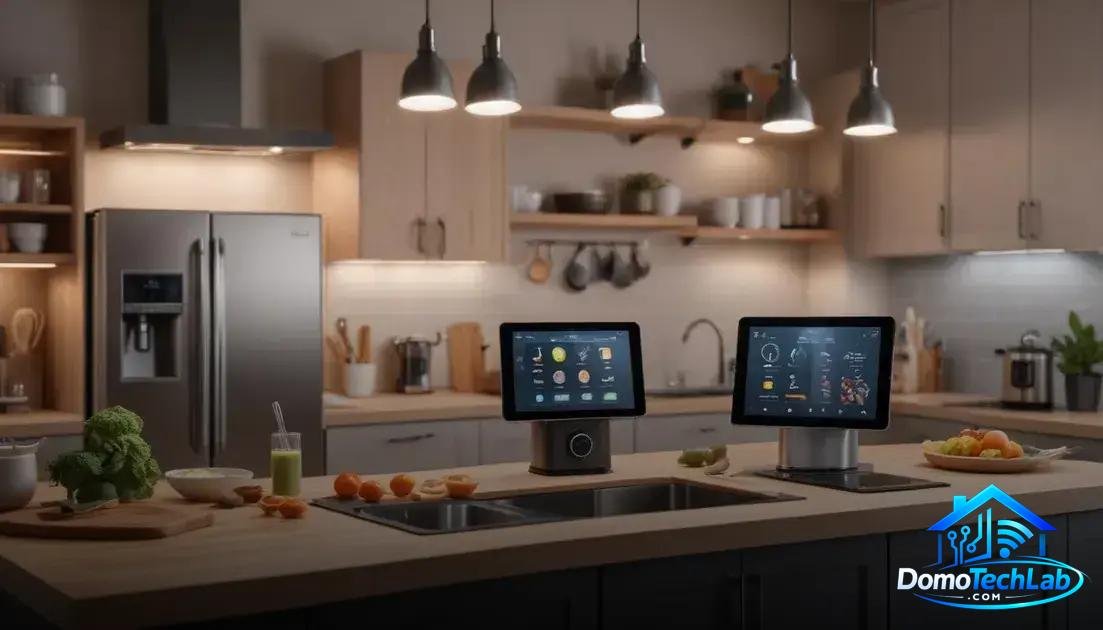
DIY cooking applications have become increasingly popular as amateur chefs look to innovate and simplify their processes. Equipping your kitchen with smart home devices enhances not only efficiency but also precision in food preparation.
Temperature Control
A crucial aspect of cooking is temperature control. Devices like smart thermometers connected to Zigbee allow you to monitor and adjust the temperature of your dishes in real time. This is especially useful when working with recipes that require specific temperatures, such as sourdough fermentation.
Smart Lighting
Smart lighting plays an important role in the kitchen. With plugs and bulbs that can be programmed to turn on or off automatically, you can create the perfect atmosphere for cooking. By using platforms like Google Home or Alexa, you can manage lighting with simple voice commands.
Activity Sensors
Activity sensors installed in the kitchen can notify you when a certain area is occupied or requires attention. By integrating these sensors into your smart home system, you can receive notifications on your phone when, for example, the oven has reached the desired temperature.
Conclusion: Enhance Your Kitchen with an Effective Smart Home
Diving into the world of smart home and local automation opens up a range of possibilities to transform your kitchen. At DomoTechLab, we emphasize the importance of building a seamless ecosystem that adapts to your specific needs.
We encourage you to continue exploring your options and implementing technologies that not only simplify your cooking experience but also enhance efficiency and safety in your home. Make your kitchen a space where innovation and tradition meet!
Frequently Asked Questions about Smart Home for DIY Chefs
Are all devices compatible with all protocols?
Not all devices are compatible with all protocols. It’s essential to check the compatibility of each device with the protocol you plan to use, such as Zigbee or Thread.
Can I integrate devices from different brands?
Yes, but it depends on the protocols used. Using a hub or gateway that supports multiple protocols can facilitate the integration of devices from various brands.
What challenges are commonly faced in local automation?
Challenges include initial setup, device connectivity, and local network stability. It’s vital to conduct connection tests to ensure optimal performance.
Do I need an Internet connection for local automation?
Not necessarily. Many devices operating with Zigbee or Thread can function without an Internet connection, enhancing privacy and response speed.
What types of devices are most effective for DIY cooking?
Devices like smart thermometers, dimmable lights, and smart plugs are highly effective. These can enhance the culinary experience by offering control and energy savings.
How can I ensure my network is secure?
Secure your network with strong passwords for your router and devices. Additionally, regularly update the firmware of all devices to protect against vulnerabilities.