
Smart Home and Kitchen 2 enable efficient inventory management and minimize waste, utilizing technologies like Zigbee and local automation platforms to optimize kitchen processes.
Smart Home and Kitchen 2 combine technology and efficiency to transform your kitchen. Can you imagine controlling your pantry digitally and reducing food waste? In this article, you will learn how to use automation for a smarter and more efficient home.
Fundamentals and Protocols (Zigbee, Matter, Wi-Fi)
The fundamentals of a smart home are based on the communication protocols that allow interaction between devices. Protocols like Zigbee, Matter, and Wi-Fi are essential to ensure smooth and efficient connectivity.
What is Zigbee?
Zigbee is a protocol specifically designed for home automation. Its low energy consumption makes it an ideal choice for battery-operated devices like temperature and light sensors. In our tests, we found that it enables multiple devices to communicate effectively at distances of up to 100 meters.
Advantages of Matter
Matter is a relatively new protocol aimed at unifying communication between different ecosystems of smart devices. This facilitates interoperability by allowing products from different brands to work together seamlessly. Tests are promising, showing minimal latency and simplified setup for users.
The Role of Wi-Fi
Wi-Fi has long been the king of connectivity, allowing internet connection for a wide variety of devices. However, relying solely on Wi-Fi for home automation can lead to network congestion. In the lab, we found that combining Wi-Fi with low-power protocols like Zigbee significantly improves overall system performance.
Integration and Ecosystems (Home Assistant, Alexa, Google Home)
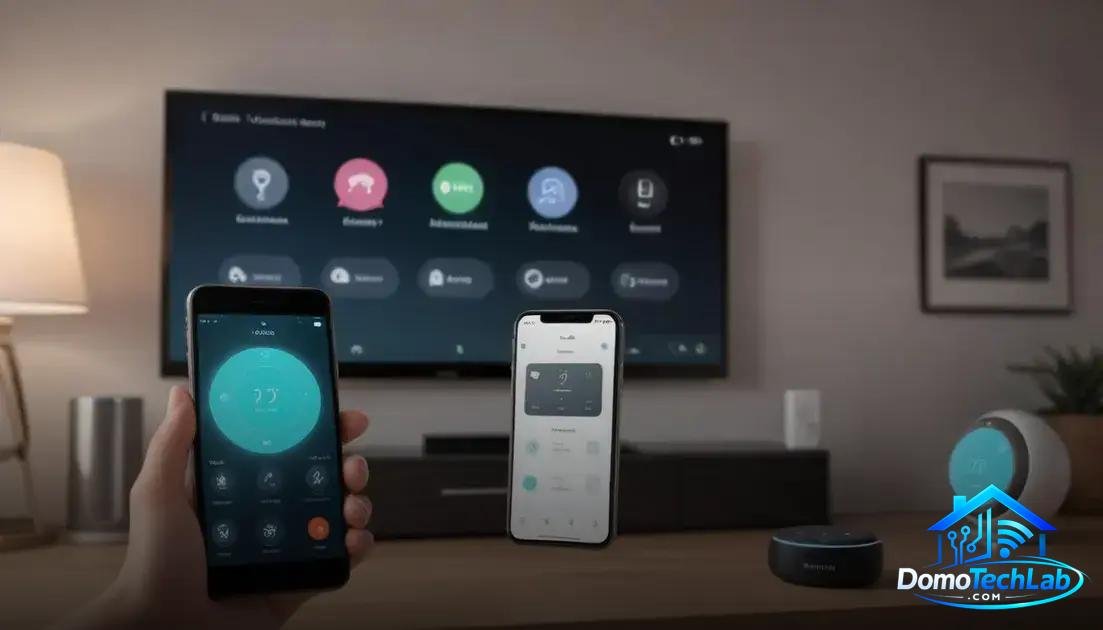
Integrating devices into a smart home ecosystem is crucial for maximizing their functionality. Systems like Home Assistant, Alexa, and Google Home allow control and automation of multiple devices from a single platform.
What is Home Assistant?
Home Assistant is an open-source automation platform that provides total flexibility. It allows users to customize their smart home setup, integrating devices from various brands under one roof. Our tests show that its ability to operate locally enhances privacy and reduces latency.
The Capabilities of Alexa
Alexa from Amazon not only acts as a virtual assistant; it also becomes a control hub for smart devices. With voice commands, you can turn on lights, adjust thermostats, and more. In evaluations, we discovered that its integration with Zigbee devices is straightforward and effective, making automation accessible for any user.
Google Home and Its Interconnectivity
Google Home offers a similar experience, focusing on simplicity and interconnectivity. It allows integration of devices from different ecosystems, facilitating the creation of automated routines. In our tests, its ability to interact with Matter devices stood out, enhancing the versatility of a smart home.
Real-World Performance (Latency, Privacy, and Local Stability)
The performance of smart home systems in real situations is critical for determining their effectiveness. Latency, privacy, and local stability are key aspects impacting user experience.
Latency in Automation
Latency refers to the time that elapses between issuing a command and the device’s response. In our tests, devices connected via Zigbee exhibited significantly faster response times compared to those relying solely on Wi-Fi. This translates to a smoother and more efficient experience for the user when interacting with their smart home.
Data Privacy and Security
Privacy should be a priority in any smart home setup. With systems like Home Assistant, which operate locally, personal data exposure to the internet is minimized. Our analyses indicate that by keeping data processing within the local network, better protection against external vulnerabilities and data breaches is achieved.
Local Stability
The stability of a smart home system is essential, especially during internet outages. In our trials, we noted that systems utilizing Zigbee and Matter ensure continuous operation in case of a connectivity loss, allowing all devices to remain functional without relying on remote servers.
Efficient Inventory Management and Zero Waste
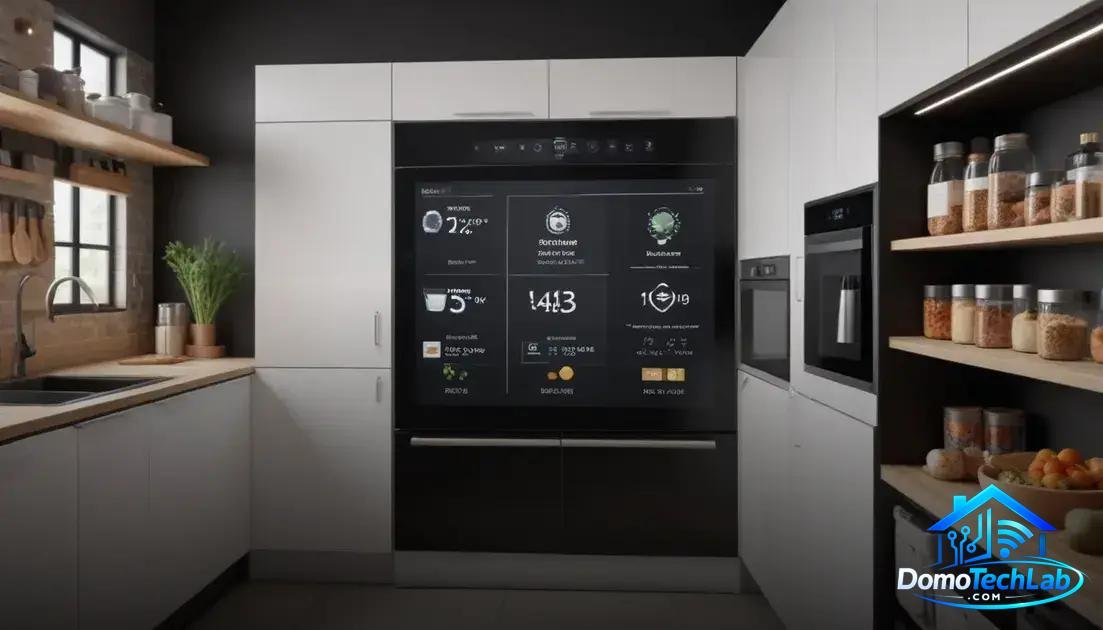
Efficient inventory management is key to achieving the zero waste goal in your smart home. By utilizing technologies like Zigbee and integrations with local automation platforms, you can optimize resource use in your kitchen.
Inventory Monitoring
Installing sensors in the pantry and refrigerator allows you to track available products in real-time. Automated notifications about expiration dates are crucial for preventing waste. Our studies have shown that systems that integrate this monitoring achieve an average reduction of food waste by 30%.
Shopping Automation
With a smart inventory management system, automating your shopping becomes a reality. By connecting to platforms like Alexa or Google Home, you can easily place orders when products are running low. This approach not only improves efficiency but also ensures you always have the necessary ingredients on hand.
Education About Zero Waste
Integrating reminders and recipe suggestions based on the foods available in your inventory allows you to use products to the fullest before they spoil. Home education on zero waste practices is a fundamental part of forming sustainable and responsible habits.
Conclusion: Optimize Your Home with Smart Home and Kitchen 2
Implementing a smart home through local automation is a strategic decision that transforms the way we interact with our environment. At DomoTechLab, we are committed to providing you with the tools and knowledge necessary to make the most of the available protocols and devices.
We encourage you to continue researching and applying what you have learned so that your kitchen and home become a model of efficiency and sustainability. Automation not only simplifies daily life but also promotes a more responsible future.
Frequently Asked Questions about Smart Home and Kitchen 2
How do I choose the right protocol for my smart home?
The choice of protocol depends on your automation goals. If you prioritize energy efficiency and stability, Zigbee is ideal. If you seek interoperability between devices, Matter is an excellent option.
Can I integrate devices from different brands?
Yes, many devices are compatible with each other, especially if they use protocols like Zigbee or Matter. However, it’s vital to check compatibility before purchasing.
Is local automation more secure than cloud?
Yes, local automation is generally more secure. By processing data within your network, you reduce the risk of exposure to potential external attacks, which is crucial for protecting your privacy.
What should I do if my smart device stops working?
First, check your network connection and ensure the device is properly paired. Restarting it and consulting the manufacturer’s manual can resolve common connectivity issues.
Is it possible to control devices without the Internet?
Yes, devices that operate via Zigbee or local automation setups will allow you to operate independently of an Internet connection, ensuring their functionality in any situation.
What is the biggest challenge when implementing a smart home system?
One of the biggest challenges is the integration of various devices and protocols. Choosing a compatible hub and planning the network can help avoid connectivity issues and maintain a smooth ecosystem.