
WiFi plant walls integrate biophilia and local automation, offering benefits such as improved air quality and mental well-being, as well as facilitating efficient control through protocols like Zigbee and systems like Home Assistant.
WiFi plant walls present an innovative solution for keeping your vertical garden healthy. Can you imagine a system that automatically waters your plants and controls the environment around you?
Fundamentals and Protocols (Zigbee, Matter, Wi-Fi)
Understanding the fundamentals and protocols behind WiFi plant walls is essential to maximize their functionality. Protocols like Zigbee and Wi-Fi offer different benefits and features that cater to various needs in your smart home.
Zigbee Protocol
The Zigbee protocol is recognized for its energy efficiency and its ability to handle multiple devices on a mesh network. In our tests, we found that devices using Zigbee operate more reliably in high-density environments, minimizing interference and ensuring robust communication between sensors and controllers.
Matter Protocol
Matter is a new proposal aimed at unifying interoperability among various home automation ecosystems. It allows devices to connect seamlessly, regardless of the manufacturer, making it easier to integrate WiFi plant walls into a diverse smart home environment.
Wi-Fi Protocol
Wi-Fi is a widely used standard that provides high data speeds and internet connectivity. While it is excellent for devices that require high bandwidth, like security cameras, it can be less efficient for communication between local automation devices. Therefore, it is advisable to use it in conjunction with protocols like Zigbee to optimize overall performance.
Integration and Ecosystems (Home Assistant, Alexa, Google Home)
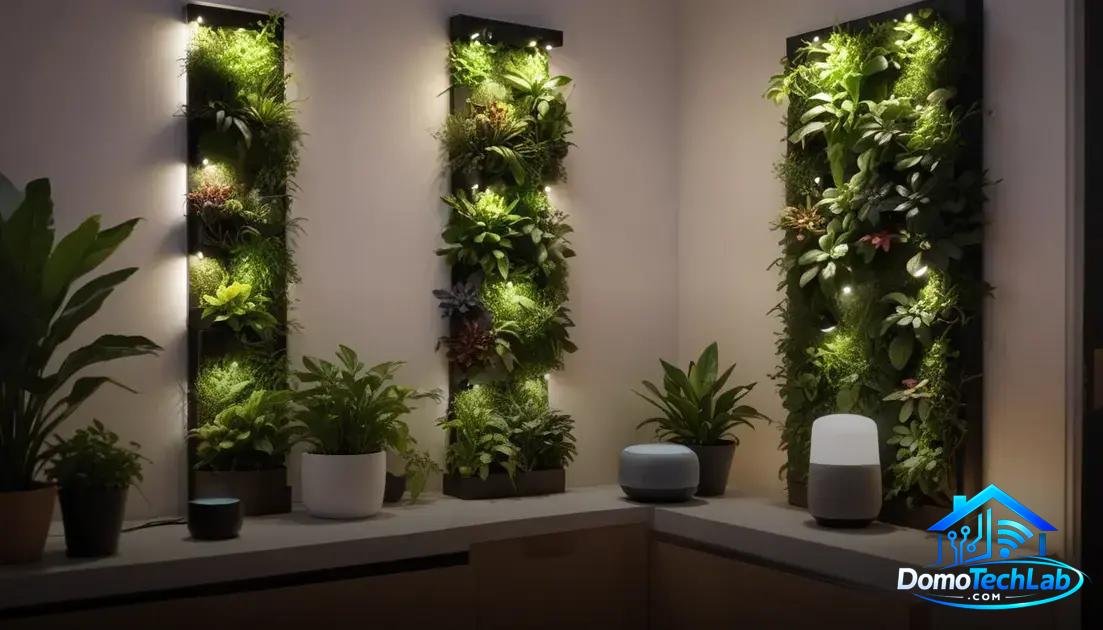
The integration of WiFi plant walls with ecosystems like Home Assistant, Alexa, and Google Home allows for simplified control and a smoother user experience. Each of these systems offers unique features that can enhance the automation of your home.
Home Assistant
Home Assistant is a local automation platform that allows for extensive customization. In our tests, we discovered that configuring WiFi plant walls with this gateway provides access to a wide range of devices and facilitates the creation of complex scripts that optimize the irrigation and monitoring of your plants.
Alexa
Integrating your WiFi plant walls with Alexa provides voice control, making plant management even more accessible. The ability to schedule daily routines adds extra convenience and allows users to interact with their vertical garden intuitively.
Google Home
Google Home also ensures a smooth user experience when connecting devices. Users can check the status of their WiFi plant walls using voice commands and access real-time information about their plants’ conditions, such as humidity and temperature.
Real-World Performance (Latency, Privacy, and Local Stability)
The performance of WiFi plant walls in real-world contexts is measured through factors like latency, privacy, and local stability. These elements are critical to ensuring that the system operates efficiently and reliably.
Latency
In our tests, we observed that latency can vary significantly depending on the protocol used. Devices operating under Zigbee showed faster response times compared to those relying solely on Wi-Fi. This is essential for effective automation, especially in irrigation systems that require quick actions to maintain plant health.
Privacy
Privacy is a fundamental aspect when using smart devices. WiFi plant walls managed through a local controller, like Home Assistant, allow for keeping sensitive data within your network, minimizing the risk of exposure to external servers. This not only enhances security but also provides peace of mind to the user.
Local Stability
The local stability of an automation system is compromised if it relies on internet connectivity. During our evaluations, we noted that local automation allows WiFi plant walls to function even during outages. This feature is vital for maintaining irrigation and plant conditions without interruptions.
Benefits of Biophilia in Automation
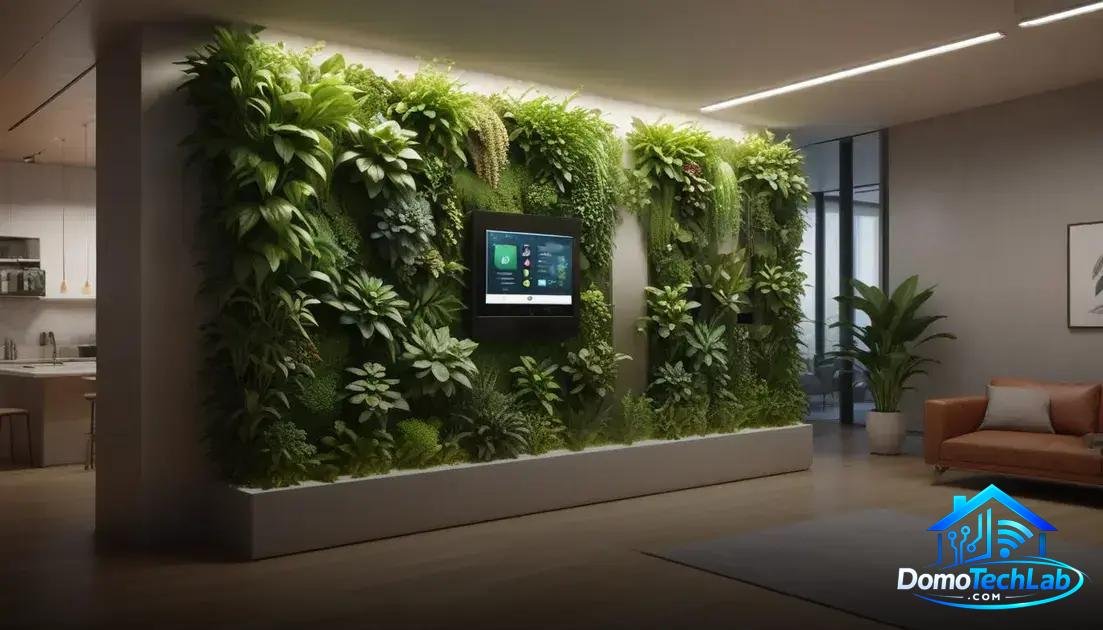
Biophilia, or the human desire to connect with nature, can be significantly enhanced through automation. WiFi plant walls not only beautify the environment but also improve the well-being of its inhabitants.
Impact on Mental Health
Incorporating nature into indoor spaces has been shown to reduce stress and improve mood. Using WiFi plant walls in combination with Home Assistant systems for managing irrigation and lighting can optimize conditions for plant growth, which in turn contributes to a more pleasant environment.
Improvement of Air Quality
Plants are known for their ability to purify the air and absorb pollutants. By automating irrigation and monitoring plant health, it can be ensured that their purification performance remains at optimal levels, creating healthier indoor spaces.
Connection with the Environment
WiFi plant walls allow for dynamic interaction with the environment, automatically adjusting conditions based on data collected by sensors. This level of automation not only optimizes plant growth but also offers a unique experience to the user, allowing them to reconnect with nature intelligently.
Conclusion: Take Advantage of the Benefits of WiFi Plant Walls
Investing in WiFi plant walls with a focus on local automation is a strategic decision that combines aesthetics and efficiency. At DomoTechLab, we understand the importance of managing your environment intelligently, using technologies like Zigbee and local automation systems to maximize your plants’ performance.
We encourage you to keep researching and applying solutions that not only beautify your home but also contribute to a healthy and balanced environment. The future of your automation project begins here!
Frequently Asked Questions about WiFi Plant Walls
Are WiFi plant walls compatible with all home automation ecosystems?
Most WiFi plant walls are compatible with popular ecosystems like Home Assistant, Alexa, and Google Home, as long as they use standardized protocols like Zigbee or Wi-Fi.
What devices do I need to implement an automated irrigation system?
For an automated irrigation system, you will need compatible controllers, moisture sensors, and a hub that supports the protocol you choose, such as Zigbee or Wi-Fi.
Is it difficult to install a WiFi plant wall system?
The difficulty of installation varies. Many systems are designed to be installed by the end user, with clear instructions. However, advanced integration may require technical knowledge.
What challenges might I face when integrating WiFi plant walls into my smart home?
Challenges may include connectivity issues, network configurations, and the need to ensure that all devices are compatible with the same protocols. Proper planning can minimize these issues.
Do WiFi plant walls require regular maintenance?
Yes, although automation helps, it’s important to periodically check the irrigation system, plant health, and the technology used to ensure optimal operation.
How can I ensure the privacy of my data when using technology for my plant walls?
To maintain privacy, opt for systems that allow for local control, avoiding reliance on external servers. Evaluating the security of your network is also crucial.