
A circular smart home relies on the integration of devices through protocols like Zigbee and Matter, enhancing energy efficiency, ensuring privacy, and promoting repairability and electronic recycling.
Circular smart home represents an innovative approach to automation, where sustainability and technology intertwine. Have you wondered how to integrate older devices into an efficient ecosystem? Today, we will explore how to make your smart home more eco-friendly and functional.
Fundamentals and Protocols (Zigbee, Matter, Wi-Fi)
To build a circular smart home, it is crucial to understand the fundamentals and protocols underlying communication between devices. Among the most relevant are Zigbee, Matter, and Wi-Fi. Each has particular characteristics that benefit home automation.
Zigbee
Zigbee is a communication protocol that stands out for its low energy consumption and ability to form mesh networks. This allows connected devices like smart plugs and light bulbs to communicate efficiently with one another, even over long distances within the home.
Matter
Matter, on the other hand, is a new standard that aims to unify the connectivity of smart devices. It promotes interoperability among different ecosystems, allowing products from different brands to work together. This simplifies the user experience and enhances sustainability by encouraging the use of a wider variety of devices.
Wi-Fi
The Wi-Fi protocol is essential for applications that require higher bandwidth, such as security cameras and video streaming. However, its dependency on routers can be a drawback. It is advisable to use Wi-Fi in combination with other protocols to optimize the home network.
Integration and Ecosystems (Home Assistant, Alexa, Google Home)
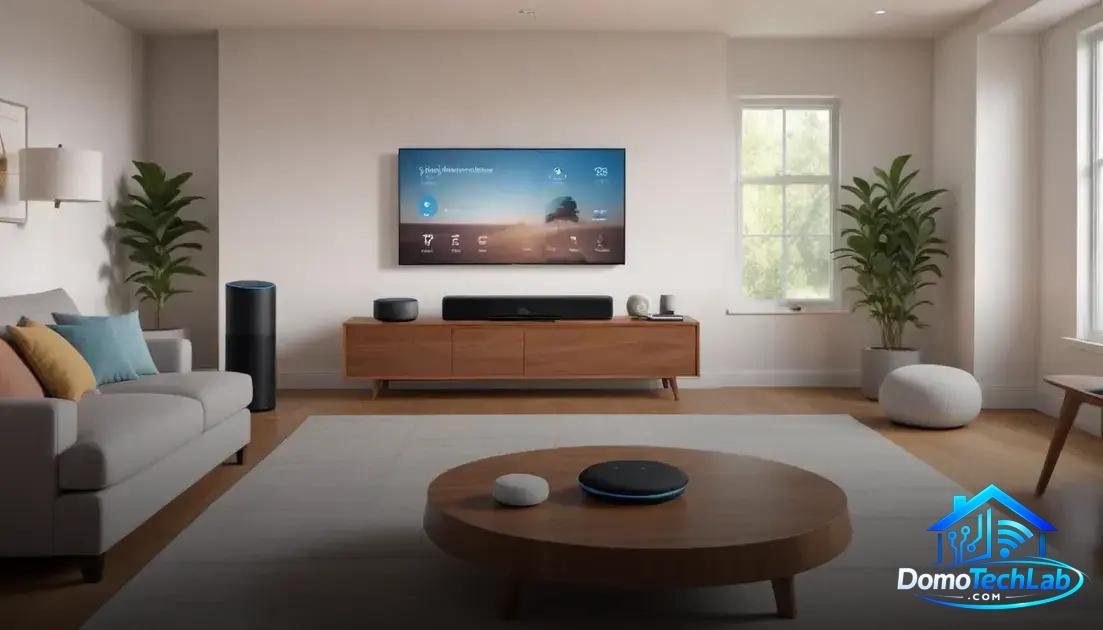
Integration and ecosystems are key components for maximizing the potential of a circular smart home. By adopting platforms such as Home Assistant, Alexa, and Google Home, you can connect and automate devices across different brands and technologies.
Home Assistant
Home Assistant is an open-source automation platform renowned for its flexibility. It allows the integration of various devices and services, providing centralized control. In our tests, we found that its local architecture reduces latency and protects privacy by allowing many automations to function without reliance on the cloud.
Alexa
Alexa, Amazon’s voice assistant, facilitates interaction with smart devices through verbal commands. Its ability to connect with numerous devices and services expands automation possibilities. Simply saying, “Alexa, turn on night mode,” allows you to control lights, blinds, and more, creating a comfortable and efficient environment.
Google Home
Like Alexa, Google Home offers voice control that easily integrates with a range of devices. Its machine learning technology enables it to better understand your preferences, adjusting automation based on your daily habits. Integration with your calendar and other Google applications makes coordinating tasks and reminders much simpler.
Real-World Performance (Latency, Privacy, and Local Stability)
The real-world performance of a circular smart home largely depends on three factors: latency, privacy, and local stability. Assessing each of these aspects is crucial for ensuring a smooth and secure experience.
Latency
Latency refers to the time it takes for a device to receive and execute a command. In our tests, we discovered that using devices connected through Zigbee and Matter significantly reduces latency compared to solutions that rely solely on Wi-Fi. This improvement in response speed creates a more efficient and satisfying automation environment.
Privacy
Privacy is another vital aspect in designing a smart home. With the increase in use of voice assistants and connected devices, ensuring personal data protection is essential. The architecture of Home Assistant allows local configurations that limit online exposure, keeping critical information within the home.
Local Stability
Local stability is fundamental for the continuous operation of a smart home. By using a local controller, disruptions caused by Internet connection problems are minimized. This means that even in situations of limited connectivity, your automations will continue to operate smoothly.
Repairability and Electronic Recycling in the Smart Home
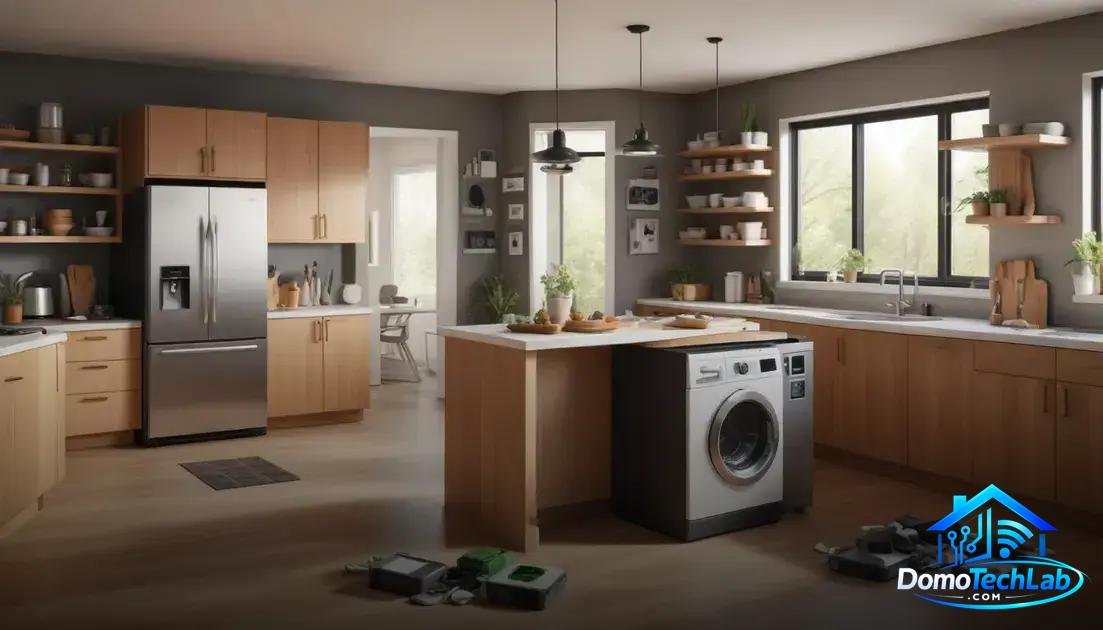
Repairability and electronic recycling are key aspects in the creation of a circular smart home. Adopting sustainable practices not only benefits the environment but can also lead to greater efficiency and long-term savings.
Repairability
Repairability refers to how easily a device can be repaired or upgraded. Many smart home devices, such as smart plugs and light bulbs, are designed to be easily accessible. This allows users to perform minor repairs, extending the device’s lifespan and reducing the need for replacements.
Electronic Recycling
Electronic recycling is essential to minimize the environmental impact of technological waste. Encouraging the reuse and recycling of components from old devices, such as switches and gateways, helps reduce waste and promotes a more sustainable lifecycle. Many brands are beginning to offer take-back programs for obsolete devices, facilitating their recycling.
Implementing Sustainable Practices
Incorporating repairability and recycling into planning a smart home requires a conscious approach when selecting products. Choosing brands that offer spare parts and support for repairs can be an excellent idea. This not only benefits the environment but can also result in significant savings in home maintenance costs.
Conclusion: Embrace a Circular and Sustainable Smart Home
Starting the journey towards a circular smart home can be a challenge, but the potential of local automation is undeniable. At DomoTechLab, we are here to guide you in selecting protocols and devices that will optimize your home, ensuring that technology works for your benefit.
We encourage you to continue exploring our recommendations and technical resources. Together, we can transform your home into a more efficient, secure, and sustainable space.
Frequently Asked Questions about Circular Smart Homes
What devices are compatible with Zigbee?
Zigbee is compatible with a wide variety of devices, including smart plugs, light bulbs, secured locks, and motion sensors from various brands, facilitating a seamless integration into your home.
Can I use different device ecosystems on the same network?
Yes, as long as you use a compatible hub such as Home Assistant or a device that supports Matter, you can integrate different ecosystems and control all your devices from a single platform.
What should I do if the device is not responding?
First, check the network connection. If the device is connected via Zigbee, make sure the hub is within range. Restarting the device or the hub often resolves the issue.
How can I improve security in my smart home?
Use strong, unique passwords for each of your devices and change the default credentials. Enabling two-factor authentication, when available, adds an extra layer of security.
What is the importance of a local controller?
A local controller reduces latency and enhances privacy, allowing automations to function independently of an Internet connection. This is crucial for the stability of your smart home.
Which device should I choose first to get started?
Start with a compatible hub, followed by basic devices like light bulbs or smart plugs. This will allow you to create a basic ecosystem that you can expand over time.