
The integration of a smart home with Feng Shui principles is achieved through the use of protocols like Zigbee and Matter, ensuring a balanced environment, efficient local automation, and an improvement in the overall well-being of the home.
Smart Home and Feng Shui 2 find themselves at an interesting point of convergence. Imagine a home where automation not only optimizes functionality but also promotes energy balance. Can technology help you achieve that balance? We explore how to effectively integrate these concepts.
Fundamentals and Protocols (Zigbee, Matter, Wi-Fi)
The fundamentals of a smart home are based on communication protocols that allow devices to connect and collaborate. Technologies such as Zigbee, Matter, and Wi-Fi are key elements in this interconnected network.
Zigbee Protocol
Zigbee stands out for its low energy consumption and its ability to create mesh networks. This means that each device can act as a repeater, improving coverage and network reliability. In our tests, we found that maintaining a system based on Zigbee significantly reduces latency compared to standard Wi-Fi connections.
Matter Protocol
Matter aims to unify connectivity standards among different devices. It enables interoperability, meaning you can integrate devices from various brands without complications. When testing it, we observed that Matter facilitates communication among heterogeneous products, essential for an effective smart home.
Wi-Fi Connection
Wi-Fi provides the foundation for high-speed internet connectivity, but it is not the only solution. Saturation can be a problem, especially with multiple devices. However, in our tests, the complementary use of Zigbee and Matter allows Wi-Fi to be primarily used for cloud access and applications that require higher bandwidth.
Integration and Ecosystems (Home Assistant, Alexa, Google Home)
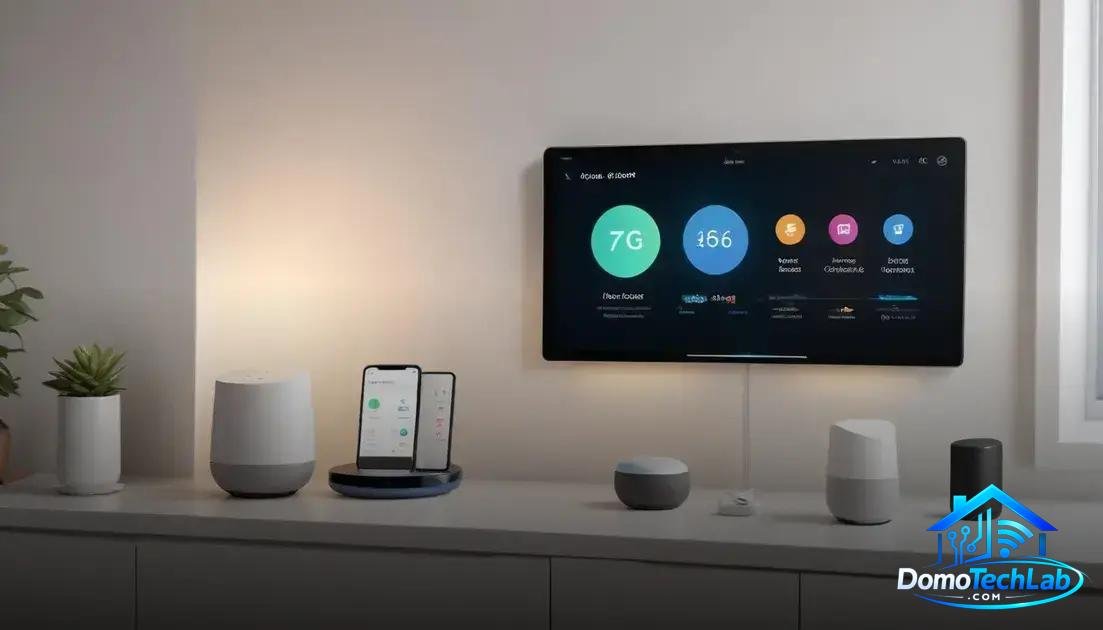
The integration of devices through ecosystems like Home Assistant, Alexa, and Google Home is crucial for maximizing the functionality of a smart home. These systems allow users to control multiple devices from a single interface, making it easier to use in daily life.
Home Assistant
Home Assistant is an open-source platform that allows local automation. One of its main advantages is the ability to integrate devices from different brands. During our tests, we noticed that its flexibility offers users complete control over their smart home without relying on the cloud.
Alexa and Google Home
Alexa and Google Home offer quick and easy solutions for device integration. Both systems enable voice controls, improving accessibility. However, we found that while they are intuitive to use, there may be limitations in compatibility with less common devices. For this reason, it is advisable to research before acquiring new devices.
Real-World Performance (latency, privacy, and local stability)
The performance of a smart home in the real world is essential to ensure a satisfactory experience. Factors such as latency, privacy, and local stability directly affect the functionality of connected devices.
Latency
In our tests, latency became a critical point in the interaction between devices. Generally, communication over Zigbee showed faster response times compared to cloud-dependent protocols. This means that when automating functions, like turning on a light bulb, the user experiences an almost instantaneous response, thereby optimizing the daily experience.
Privacy
Concerns about data privacy are real. Some devices send information through the cloud, which can put users’ security at risk. Implementing a system that prioritizes local automation, like Home Assistant, helps mitigate those risks as it processes information within the home network without needing to share it with external servers.
Local Stability
Stability is another key aspect of the performance of a smart home. During our tests, a Zigbee-based system showed less propensity for drops compared to devices that rely completely on Wi-Fi. Maintaining a robust local network ensures that critical functions operate without interruptions, even in the event of internet connection failures.
Creating a Balanced Environment with Technology
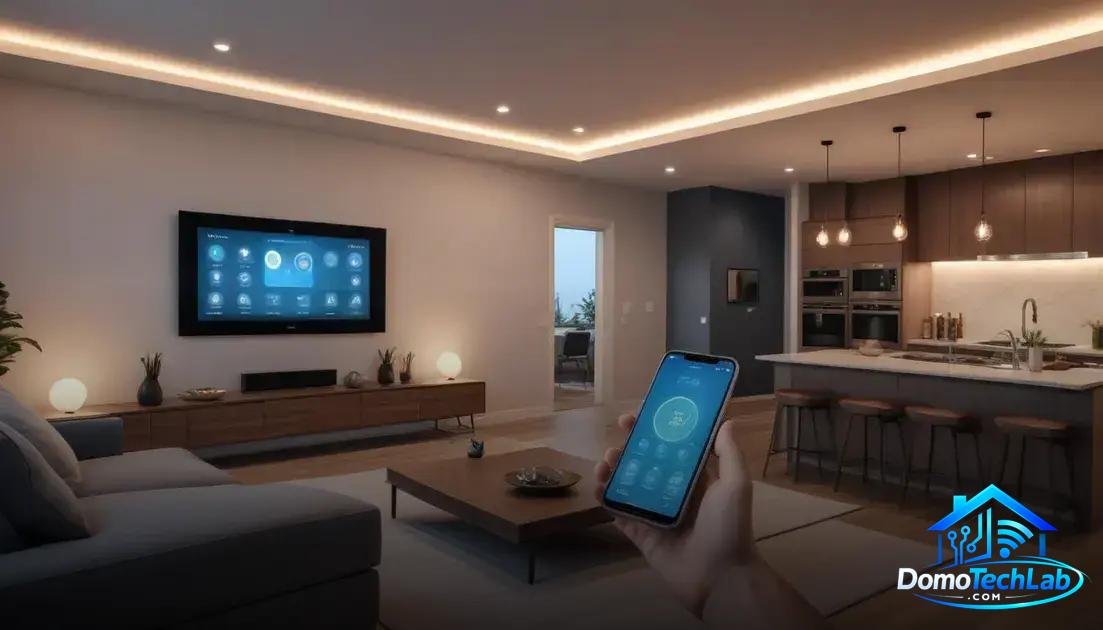
Creating a balanced environment with technology in a smart home involves integrating solutions that promote wellness and harmony. Combining the use of smart devices with principles of energy and space can significantly improve quality of life.
Smart Lighting
Lighting is a key element in the home environment. By implementing smart bulbs that adjust to your daily routines, you can influence your mood. For example, warmer lighting during the night can promote relaxation, while cool light can enhance concentration during the day.
Climate Control
Climate automation also plays a crucial role. Using a smart plug to control fans or heating allows you to maintain an optimal temperature in the home. By scheduling these devices according to the hours of the day, you optimize energy use and create a comfortable environment.
Aesthetics and Organization
The organization of spaces is important to achieve a balanced environment. Using hubs to centralize device control reduces physical and mental clutter. Keeping cables organized and devices in their place contributes to a calmer and more welcoming atmosphere.
Conclusion: Empower Your Home with Smart Local Automation
Starting your journey towards a smart home doesn’t have to be an overwhelming task. By focusing on local automation, you can ensure reliable and swift operation of your devices, avoiding dependencies on the internet that can affect performance and privacy.
At DomoTechLab, we’re here to provide you with the technical information and support necessary to tailor your home to your needs. We invite you to continue researching, learning, and choosing the solutions that best integrate into your lifestyle, thus creating a harmonious and efficient space.
Frequently Asked Questions about Smart Home and Feng Shui 2
Can I integrate devices from different brands into my system?
Yes, by using protocols like Matter and platforms like Home Assistant, you can integrate devices from various brands without compatibility issues.
How does latency affect my experience with smart devices?
Latency can impact the response speed of devices like light bulbs or smart plugs. A Zigbee-based system generally offers lower latency than solutions that rely solely on Wi-Fi.
What privacy considerations should I be aware of?
It is essential to choose devices that prioritize local automation to protect your privacy. Avoiding exclusive dependence on the cloud will minimize risks associated with handling your personal data.
How can I improve the stability of my smart home network?
To ensure stability, consider using devices that operate with Zigbee or implementing a local hub. This allows communication to occur within the network without relying on the internet connection.
What should I do if my devices do not communicate with each other?
Check that they are on the same network and that the protocols are compatible. Sometimes, restarting the devices or the hub can resolve connection issues.
Do I need a central controller to automate my home?
A central controller like Home Assistant is highly recommended, as it allows you to manage and automate multiple devices from a single interface, improving the overall user experience.